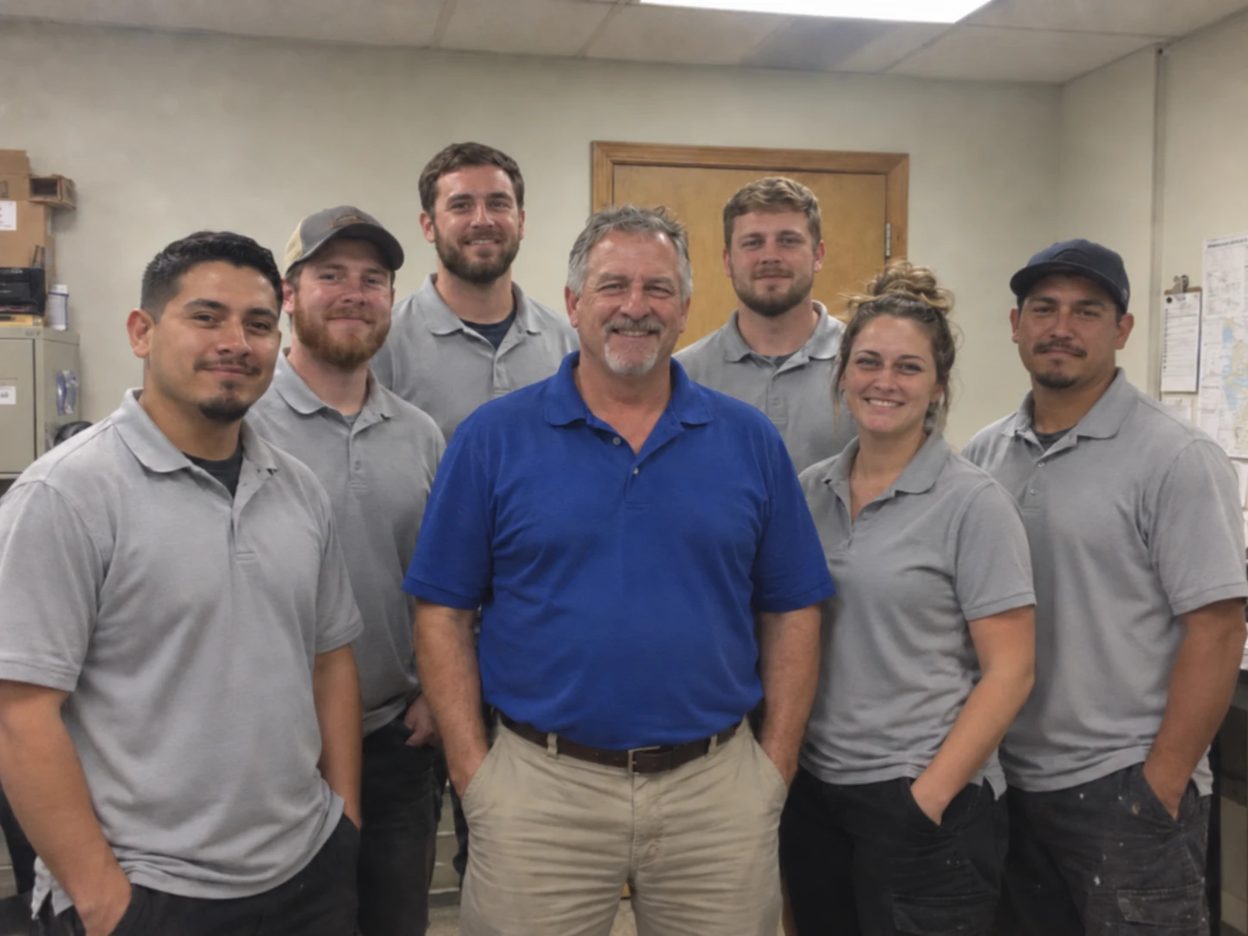
Ask any HVAC technician in Saratoga Springs and you will hear the same thing: equipment seldom breaks down on a mild day. It waits for a heat wave or a hard freeze. What makes repair tricky is that very different faults look identical from the thermostat. If the system runs but cannot hold temperature, the cause could be a failing run capacitor, pitted contactor points, a refrigerant leak, a fouled flame sensor, or just a filter packed so tight that airflow collapses. If it will not start at all, look to a float switch tripped by a clogged condensate line, a dead transformer, a faulty thermostat, or a control board that no longer sequences the equipment.
Every service call from Saratoga Springs HVAC starts with testing, not parts. We verify capacitors with a meter, confirm refrigerant charge through superheat and subcooling, measure the microamp signal on flame sensors, and take static pressure readings whenever airflow could be the culprit. Why the rigor? Because a failing capacitor, a hard-starting compressor, and a low-voltage short can look exactly alike, and replacing the wrong two when only one is bad is money wasted. Once the real fault is confirmed, we walk you through what broke, why it broke, and what the repair involves, all before any work begins.
Central air, heat pumps, gas and electric furnaces, air handlers, ductless mini splits: we work on all of them, from every major brand. Our service trucks carry the parts that fail most, including capacitors, contactors, igniters, flame sensors, blower motors, and condensate pumps, so the typical repair wraps up in one visit. And if a system has genuinely reached the end of the road, you will hear that from us straight, along with your replacement options, rather than a pitch for a repair that will not hold. Call (518) 201-6284 for same-day HVAC repair in Saratoga Springs.
Most of our service calls are for AC Repair in Saratoga Springs and Furnace Repair in Saratoga Springs. If something has stopped working, start there.
Warning Signs for HVAC Repair
Spotting the early warning signs gives you the chance to act before the situation spirals into something far more expensive. Keep an eye out for the following clues that it's time to bring in an expert:
- Frequent on-off cycling while the house never gets to the thermostat setting
- A humming outdoor unit that never kicks on
- Repeated breaker trips every time the heating or cooling kicks on
- Warm air from the vents in cooling mode, or cool air in heating mode
- Weak airflow from the supply registers throughout the house
- Puddles near the furnace or air handler from a blocked drain line
- Unfamiliar sounds from the equipment, like squealing, grinding, or banging
- Utility bills climbing while comfort keeps falling
Act Before It Gets Worse
Most HVAC failures start small, a weak capacitor, a squealing blower, a system that runs a little longer each week. If you notice any of these signs, contact Saratoga Springs HVAC at (518) 201-6284 for a prompt inspection.
Ready to Solve Your HVAC Repair Problem?
Call our expert team for pricing today.
Call (518) 201-6284 NowYour HVAC Repair Questions Answered
Why Professional HVAC Repair Matters
Two things make HVAC repair a poor DIY project: the diagnosis is deceptive, and the equipment is dangerous. On the diagnostic side, a weak capacitor, a low charge, a frozen evaporator coil, and choked airflow can all produce a system that runs without cooling, so trial-and-error part swaps get costly in a hurry. On the safety side, you are dealing with 240-volt circuits, capacitors that stay charged after the breaker is off, federally regulated refrigerant that requires recovery equipment, and, on gas furnaces, fuel lines, combustion, and venting where a single mistake can put gas or carbon monoxide into the home.
What professional service buys you is certainty. Instead of guesses, our technicians use meters on capacitors and motors, superheat and subcooling readings on the refrigerant side, microamp flame signal tests before any board is condemned, and static pressure measurements when the duct system may be starving the equipment. That usually makes the repair cheaper as well as safer. And because an aging unit is not always worth fixing, we give you a straight answer on repair versus replacement before you commit to either one.
What to Expect From Our HVAC Repair
Every visit follows a step-by-step method refined over years of hands-on experience. Here's exactly how the HVAC repair process unfolds:
Find the Real Fault
We test the system component by component: capacitors, contactors, motors, sensors, refrigerant charge, and airflow. Pinpointing the true fault is what keeps you from paying for parts you do not need.
Clear Findings & Upfront Quote
No surprises on the invoice. We walk you through the fault, the cause, and the fix, and put a fixed price in front of you first. On worn-out equipment, we give you an honest repair-versus-replace answer.
On-the-Spot Repair
Most fixes are done in one trip. The parts that fail most often, from capacitors and contactors to igniters, flame sensors, and motors, ride on the truck, so there is rarely a wait for an order.
Verified Operation
Before we pack up, the system runs a full cycle while we verify temperature split, airflow, and amp draws against the data plate, making sure everything operates safely.
Not Sure What You Need?
We provide honest advice and upfront pricing on all HVAC repair work.
Call (518) 201-6284 NowHow to Prevent HVAC Repair Problems
Taking preventive measures can help you avoid costly heating and cooling problems down the road. Follow these tips from our experienced technicians:
- Run a vinegar flush through the condensate line each spring to prevent clogs and float switch trips
- Call about unusual noises early, since a squealing bearing costs far less to fix before the motor seizes
- Give the condenser room to breathe by keeping plants, leaves, and clippings away from it
- Keep supply and return registers open and unblocked in every room
- During heat waves and cold snaps, set the thermostat a few degrees closer to the outdoor temperature to ease the load
- Book a professional tune-up in spring for cooling and in fall for heating
- Change the filter every one to three months so the blower and coil never starve for air
DIY vs. Professional HVAC Repair
A homeowner can swap a filter with ease, but diagnosing capacitors, refrigerant charge, control boards, and error codes calls for the equipment and know-how only a pro brings. Here's a comparison:
| Factor | DIY Attempt | Professional Service |
|---|---|---|
| Finding the Fault | Guess and replace parts one at a time | Each part tested to find the real failure |
| Electrical Safety | Exposure to 240V power and charged capacitors | Capacitors discharged, circuits tested dead first |
| Refrigerant | Guesswork without gauges or recovery tools | Charge verified by superheat and subcooling |
| Gas & Combustion | No check on gas pressure or venting | Draft, flame signal, and gas pressure measured |
| Related Problems | Only the obvious symptom gets attention | Full system checked while we are there |
| Result | Temporary fix, same root cause | Real fault repaired and tested |
Schedule Your HVAC Repair Service
Get your comfort back before a small fault becomes a full breakdown. Saratoga Springs HVAC is ready to respond fast.
Call (518) 201-6284 NowAreas We Serve for HVAC Repair
Wherever you are in the area, the same experienced team handles your HVAC repair. Find your community below.